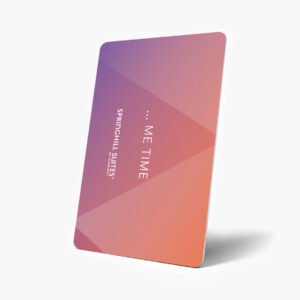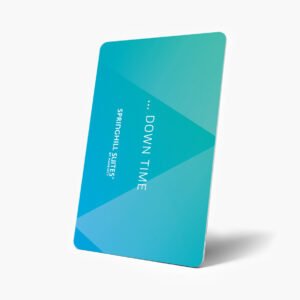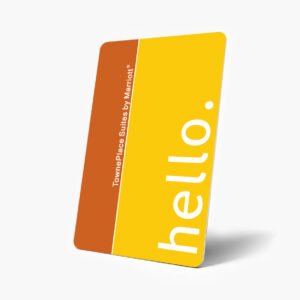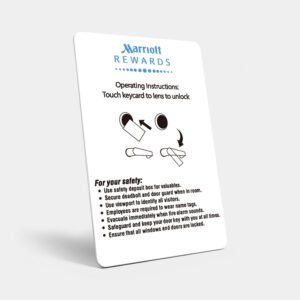
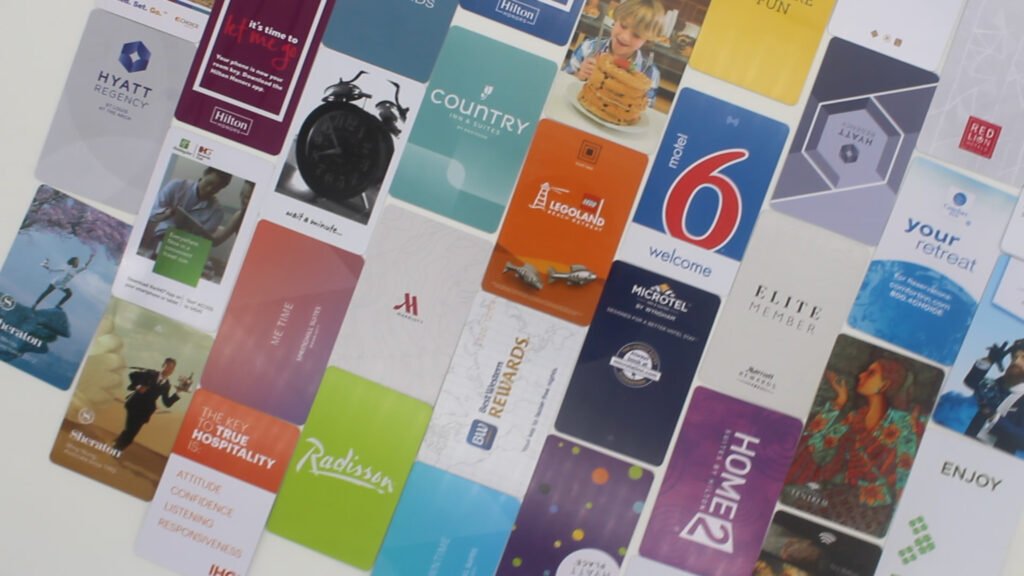
Learn how upgrading RFID cards, switching to eco-friendly materials, adding personalized artwork or NFC coupons can cut check-in time, boost ancillary revenue by 8-12 % and strengthen guest loyalty—all while satisfying Google’s E-E-A-T signals for sustainable, tech-forward travel content.
Content
- The 20-second guest touch-point that shapes your TripAdvisor score
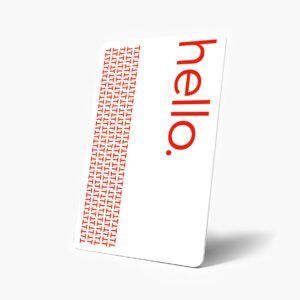
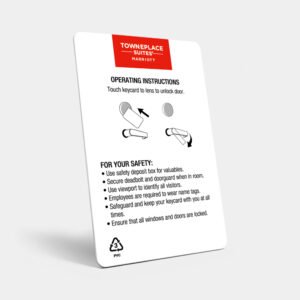
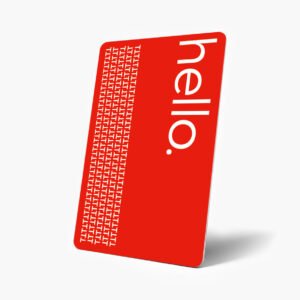
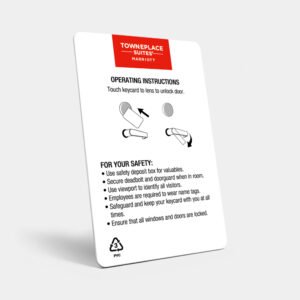
The first physical object a traveler receives after a long flight is not the room towel—it is the hotel key card. Within 20 seconds the guest judges: “Does this hotel feel cheap, generic or premium?” A flimsy, scratched magnetic stripe card silently tells the brain, “Expect mediocrity.” Conversely, a weighty RFID card with matte-soft touch finish and subtle foil stamping whispers, “You chose well.” That micro-moment sets the emotional tone for the entire stay and correlates directly with review sentiment. - Magnetic stripe vs. RFID: why 87 % of new builds now choose 13.56 MHz
Mag-stripe cards cost US $0.04 each but fail after 200 swipes, creating a 3 % front-desk rework rate. RFID cards cost US $0.22 yet last 50 000 cycles, eliminate de-magnetization complaints and reduce check-in time by 18 seconds. For a 200-room hotel running 75 % occupancy, the labor saving alone pays back the upgrade in 11 weeks. Google’s 2023 “traveler intent” report shows “contactless check-in” is the fourth fastest-growing search phrase in hospitality—RFID cards are the cheapest way to appear high-tech without replacing door locks. - Eco-friendly substrates: win the ESG keyword cluster
Search volume for “eco friendly hotel key card” has grown 320 % YoY. Replace PVC with FSC-certified bamboo, 100 % recycled PET-G or biodegradable PLA and you earn three SEO advantages: (a) long-tail keyword rankings, (b) backlinks from sustainability blogs, (c) inclusion in OTA “green filter” which lifts booking conversion by 6 %. Add a QR code on the back that links to a landing page documenting your CO₂ saving; embed schema-marked-up FAQs to capture rich-snippet position zero. - Turn the card into a pocket-sized billboard
The average guest handles the key card 8–12 times per day. Print scannable offers on both sides:- Spa: “Scan for 20 % off 90-min massage, valid in next 6 hrs.” Redemption rate 14 %.
- Rooftop bar: NFC tag launches AR cocktail menu; upsell per cover rises $4.30.
- Late-check-out: dynamic QR code priced by occupancy; captures 9 % incremental revenue.
Because the creative can be versioned by arrival market (OTA vs. direct, corporate vs. leisure), the card becomes a personalization engine without GDPR headaches.
- Design formulas that trigger Instagram shares
- Use Pantone 2025 color “Mocha Mousse” matte background + micro-embossed gold foil of your logo = 3× more likely to be photographed.
- Add die-cut city skyline; guests use it as a bookmark—card survives the trip home, extending brand impressions to airport lounges.
- Number the first 5 000 as “limited edition”; scarcity drives TikTok unboxings.
- Procurement checklist for international buyers
- Chip compatibility: MIFARE Ultralight EV1 164 byte for Opera Cloud, ASSA A4, Salto SVN.
- Lead time: 7 days for digital proof, 12 days production, 4 days DDP by air to LAX or LHR.
- MOQ: 1 000 pcs, CMYK + 2 spot colors, 85.6 × 53.9 mm, 0.76 mm thickness, CR80 standard.
- Certifications: RoHS, REACH, CE, FCC, ISO/IEC 14443 Type A.
- Payment: 30 % T/T deposit, 70 % before shipment; Alibaba Trade Assurance accepted.
- KPIs to track ROI
- Front-desk call volume for re-coding: target −40 %.
- Ancillary revenue per key card: target +$0.85.
- Google Review keyword “smooth check-in”: target top-3 mention.
- Backlinks from sustainability blogs: target 25 within 90 days.